The Mind Behind
the Masterpiece
An immersive spatial augmented reality application designed for iOS. Step directly into the biographies, portraits, and cognitive workspaces of history's ten greatest painters. Walk around their volumetric coordinates and learn how they compiled their creative truths.
Meet the Masters
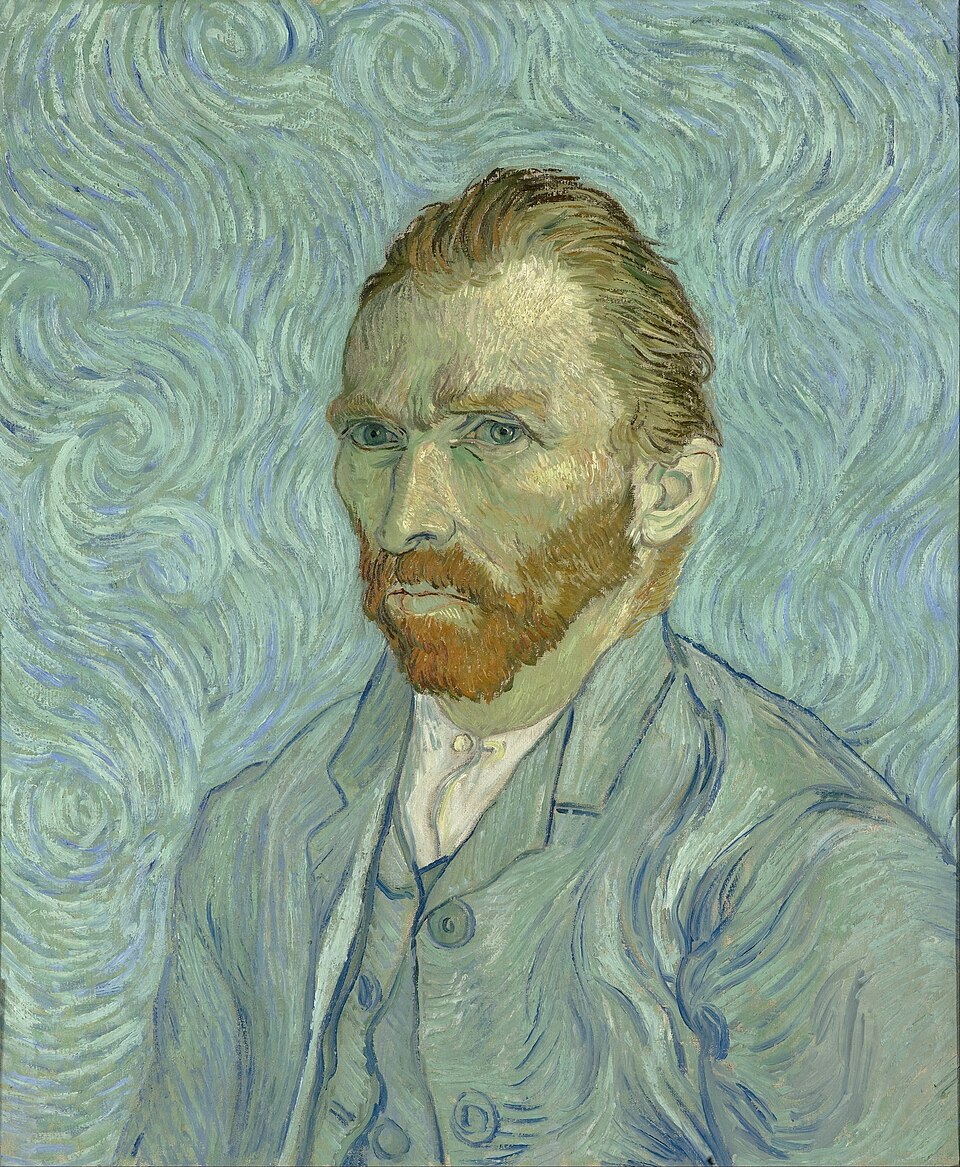
Vincent van Gogh
Temporal Coordinates: 1853–1890Vincent van Gogh compiled some of the most emotionally raw, high-throughput oil canvases in history. Heavily mentored by the Impressionist patriarch Camille Pissarro in Paris, Van Gogh developed his iconic expressive style, characterized by swirling impasto lines and saturated colors that reflected his inner psychological turbulence. Rather than adhering to realistic tones, Vincent utilized color as a direct conveyor of human emotion, paving the way for modern expressionist movements.
In our AR workspace, his paintings are reconstructed as volumetric coordinates that shift in response to your voice. Gaze at the starry sky and feel the emotional velocity of his brushstrokes as they react to your proximity in virtual space. Every stroke is modeled as a floating three-dimensional vector, allowing you to walk directly into his psychological tempest.
Camille Pissarro
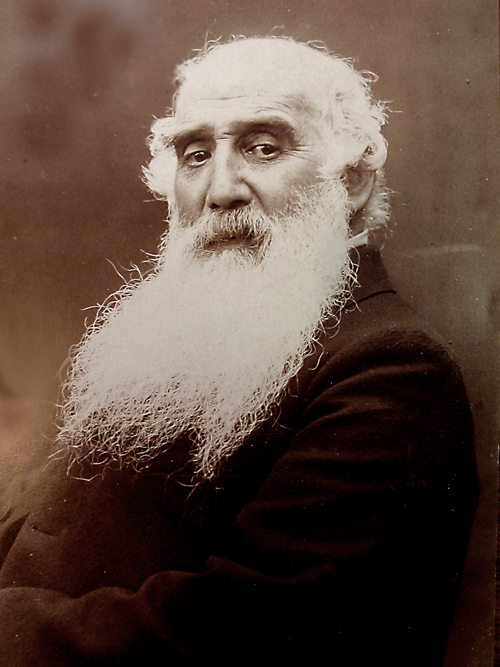
Temporal Coordinates: 1830–1903Camille Pissarro was the structural foundation of the French Impressionist movement. He was the only painter to exhibit in all eight Impressionist exhibitions, acting as a crucial paternal mentor to both Vincent van Gogh and Claude Monet. Pissarro helped them synthesize their lighting and stroke pipelines, teaching them to capture the fleeting effects of atmosphere and light on rustic landscapes without academic rigidity.
Our spatial module lets you explore his rustic French landscapes. Walk through Eragny and witness how Pissarro compiled nature's visual datasets, with brushstrokes that scatter dynamically when approached. The app translates his delicate pointillist textures into interactive particles that shift as you rotate your device.
Edgar Degas
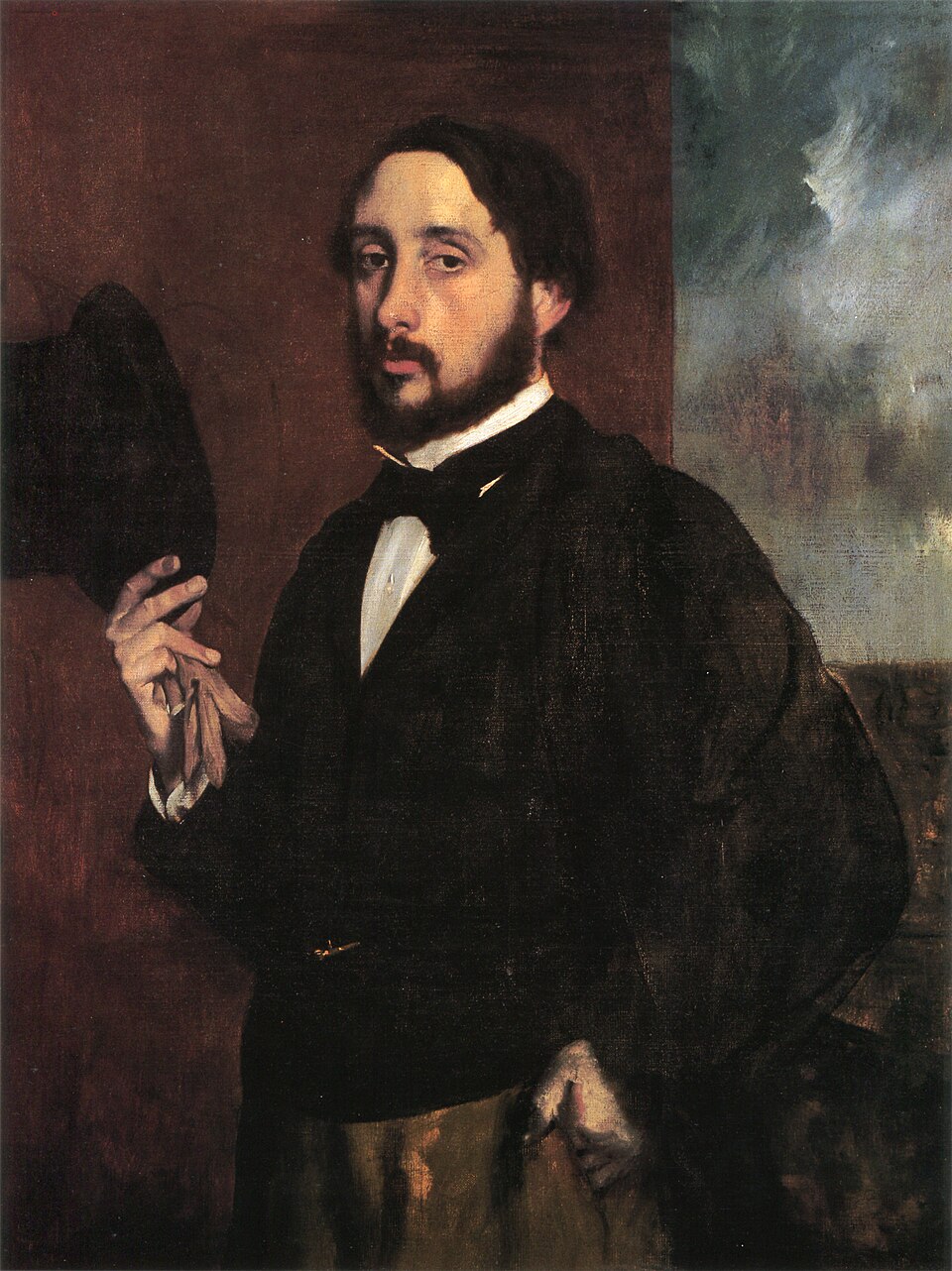
Temporal Coordinates: 1834–1917Edgar Degas brought mathematical precision to impressionist realism, focusing on the kinetic data of dancers, horses, and modern Parisian life. While close friends with Édouard Manet, Degas preferred the controlled illumination of the theater, orchestra, and studio over the outdoors. He was obsessed with capturing human motion from unusual, crop-heavy angles, drawing inspiration from Japanese prints and early photography.
Using the AR portal, you can walk among his ballerina coordinates. Control the lighting in his rehearsal halls in real time and watch the bronze sculptures rotate dynamically on your screen. The app features dynamic shadow maps that update as you move your device, highlighting the muscular tension and posture of the dancers.
Claude Monet
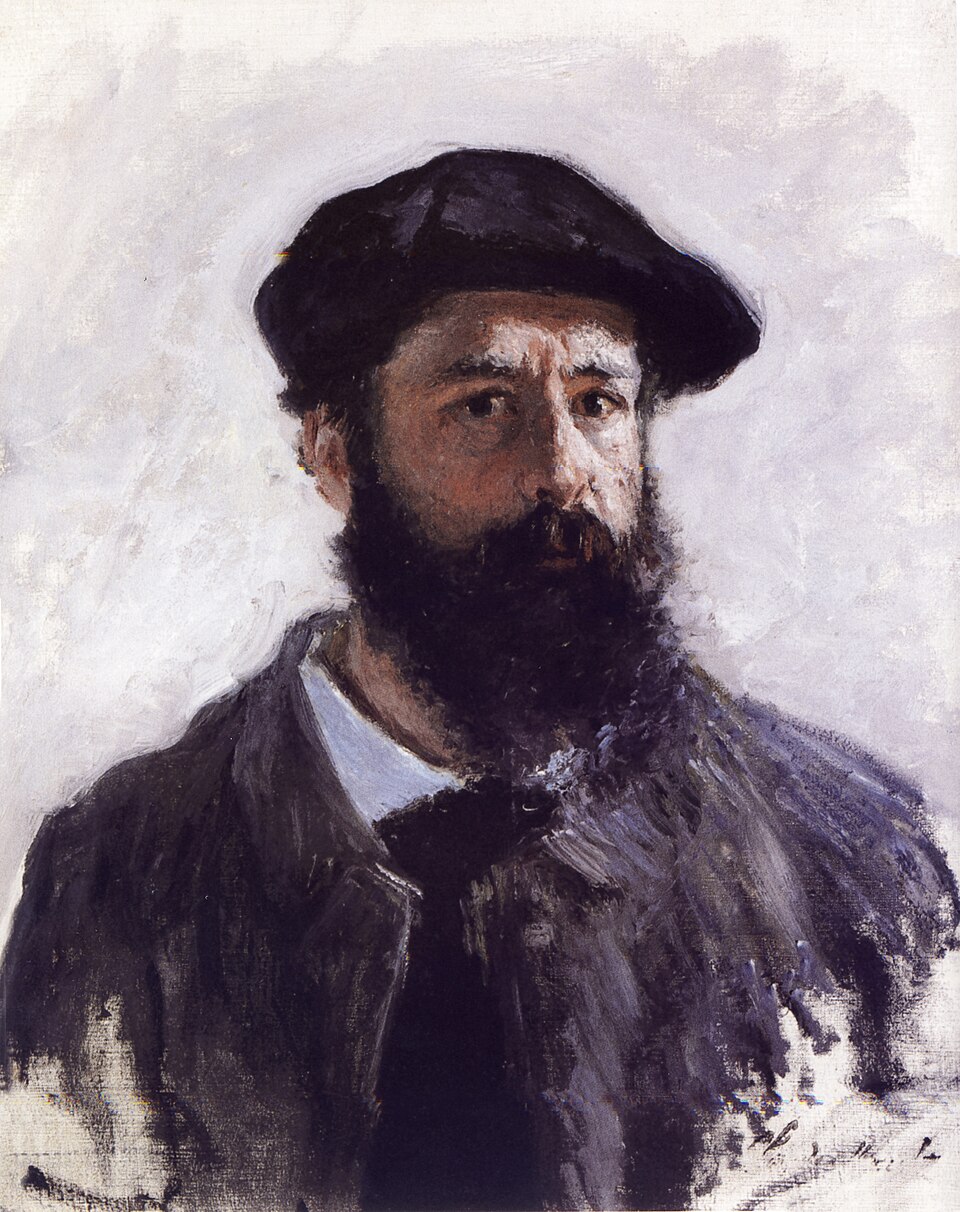
Temporal Coordinates: 1840–1926Claude Monet was the champion of light compilation, spending his life documenting how natural illumination changes over time on a single subject. Guided by his close friendship with Édouard Manet and technical mentoring from Camille Pissarro, Monet built the Giverny gardens to serve as his ultimate plein-air painting laboratory. He painted the lily pond hundreds of times, dissolving solid form into pure atmospheric color and light.
Submerge your phone screen into his Giverny pond. Our generative shader engine maps his water lily coordinates, morphing ambient light to match the current sunset time on your device. Walk through the virtual lilies and watch the colors shift dynamically, simulating the reflection of the clouds and willows across the water.
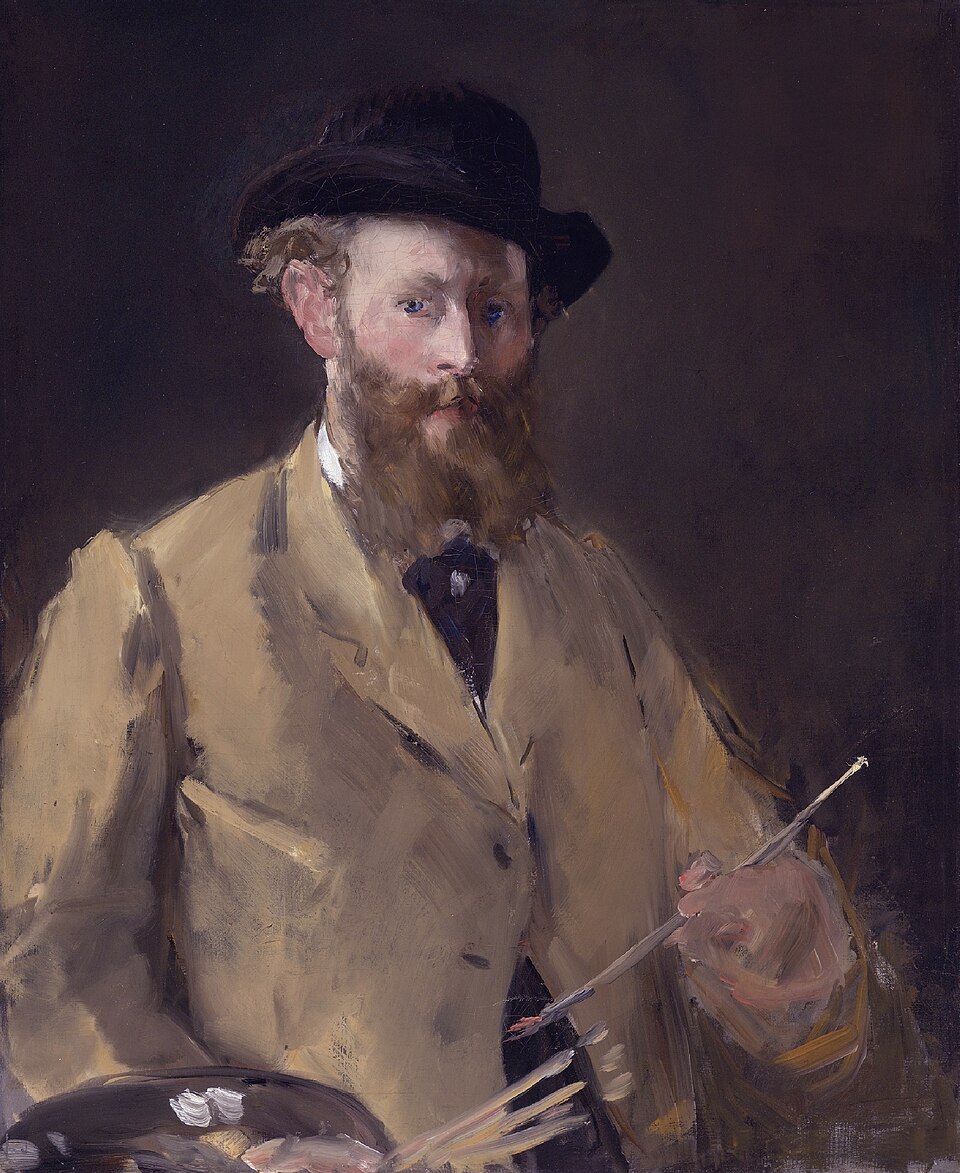
Édouard Manet
Temporal Coordinates: 1832–1883Édouard Manet was the critical bridge between Realism and Modernism. His bold brushwork, flat lighting, and contemporary Parisian themes directly inspired Claude Monet and Edgar Degas, breaking traditional academic conventions and laying the groundwork for modern spatial painting. Manet challenged the viewer by creating complex, flat perspectives that highlighted the artificial nature of canvas representation.
Step behind the marble counter of the Folies-Bergère. The AR engine lets you rotate his famous mirror reflection, uncovering hidden details about the barmaid's spatial coordinates and gaze in 3D. Inspect the bottles, orange bowl, and the mysterious gentleman in the mirror, all reconstructed as fully navigable spatial layers.
Francisco Goya
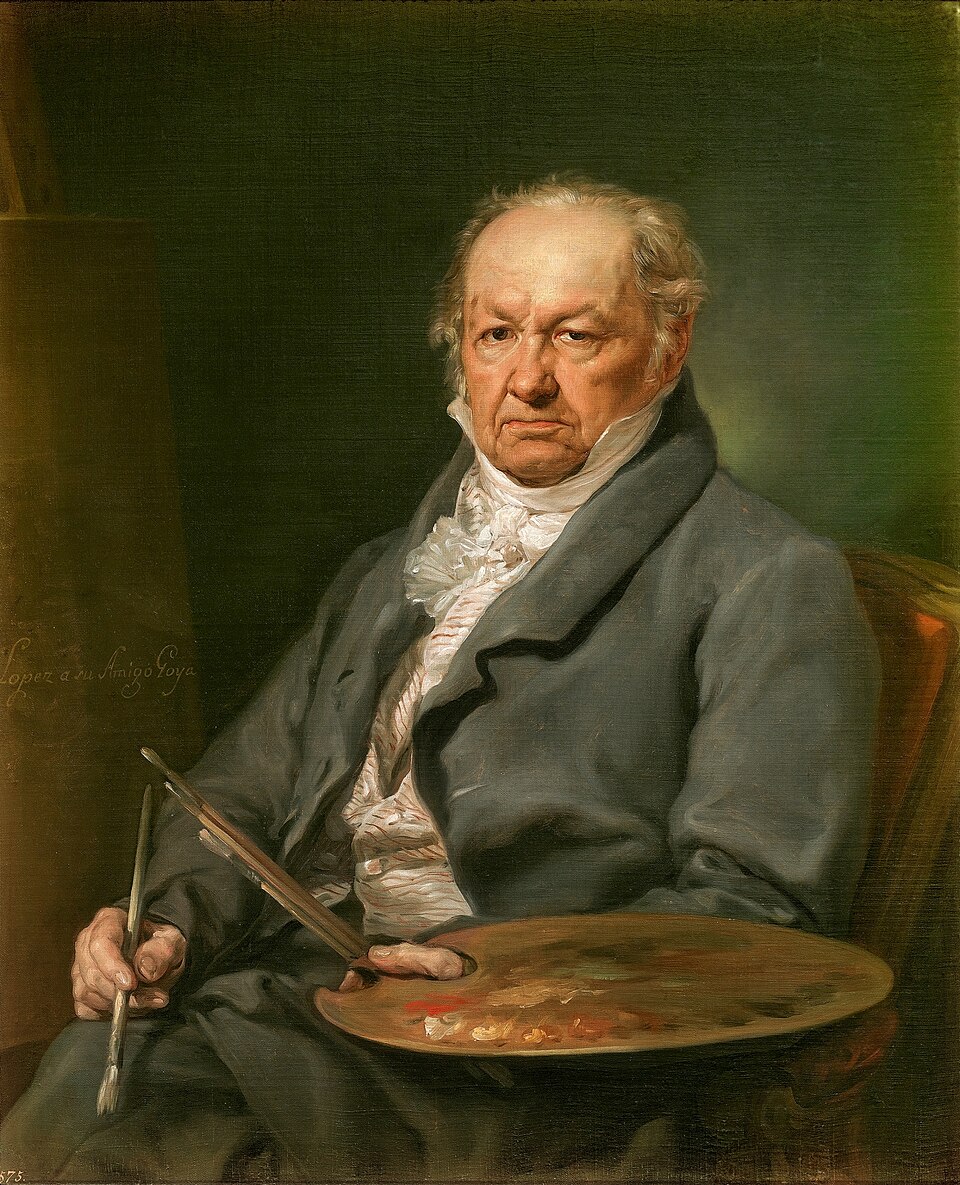
Temporal Coordinates: 1746–1828Francisco Goya was a Spanish Romantic master who documented the dark telemetry of historical conflicts and human psychology. Highly influenced by Diego Velázquez's royal compositions, Goya's late works captured the raw distress of humanity during wartime and his own isolation. He moved from court painter to creating the haunting Black Paintings on the walls of his house.
Step into the shadows of Goya's historical works. Gaze at his dramatic chiaroscuro coordinates in AR, where shadows lengthen and contract in real time based on your phone's tilt sensor. The app uses high-fidelity custom shaders to replicate the thick, dark textures of his late paintings, emphasizing the dramatic contrast between light and dark.
Diego Velázquez
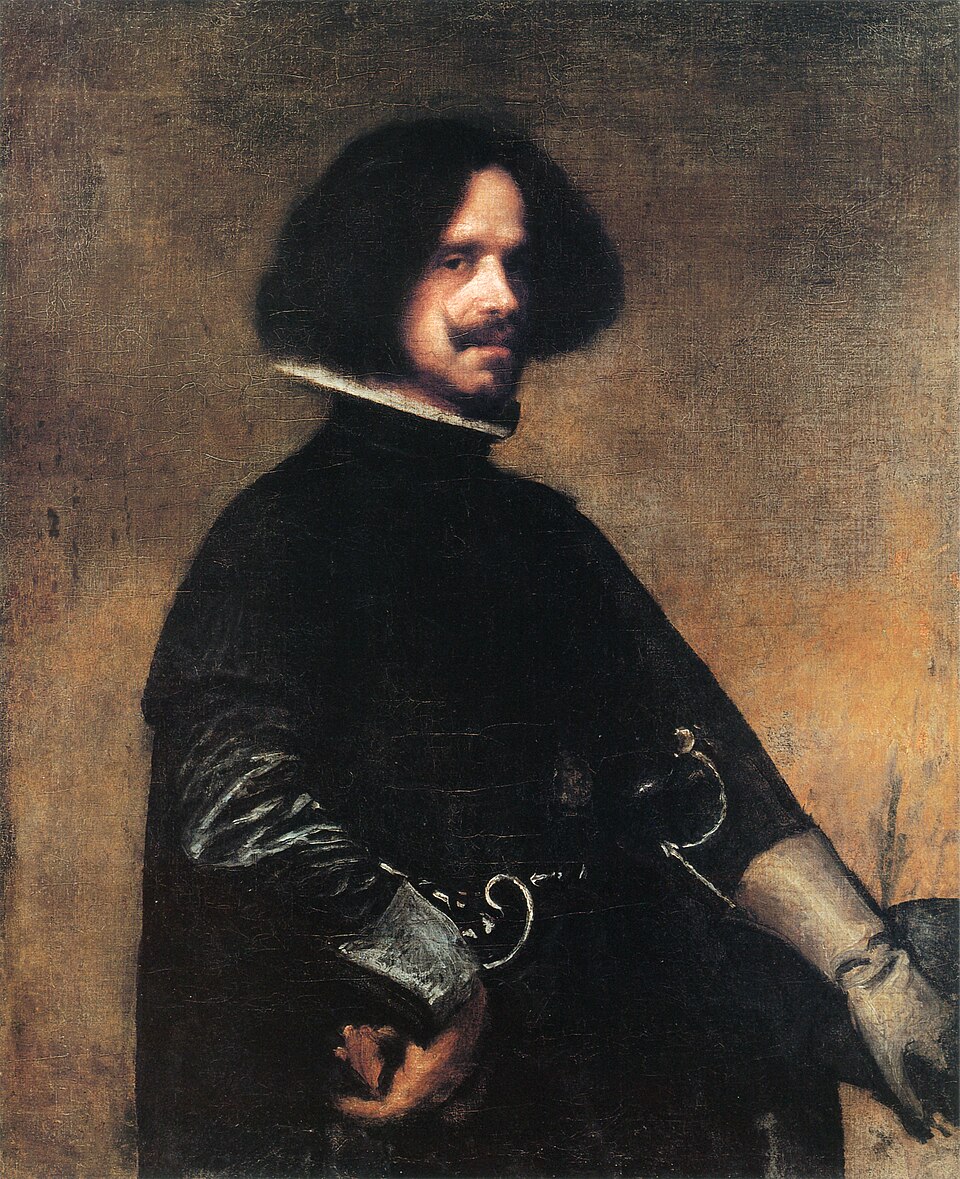
Temporal Coordinates: 1599–1660Diego Velázquez was the supreme compiler of the Spanish Golden Age. His masterly brushstrokes and complex spatial reflections in Las Meninas directly influenced Francisco Goya and later served as the cornerstone of Édouard Manet's modern paintings. Velázquez pioneered the use of loose, atmospheric brushwork that resolves into sharp reality only when viewed from a distance.
Step into the royal court in AR. Our spatial reconstruction lets you stand right next to Velázquez at his easel, exploring the complex perspective vectors of his masterpiece in real-time 3D. The app maps the depth of the room, allowing you to walk behind the infant Infanta Margaret Theresa and look out at the royal couple in the mirror.
Rembrandt van Rijn
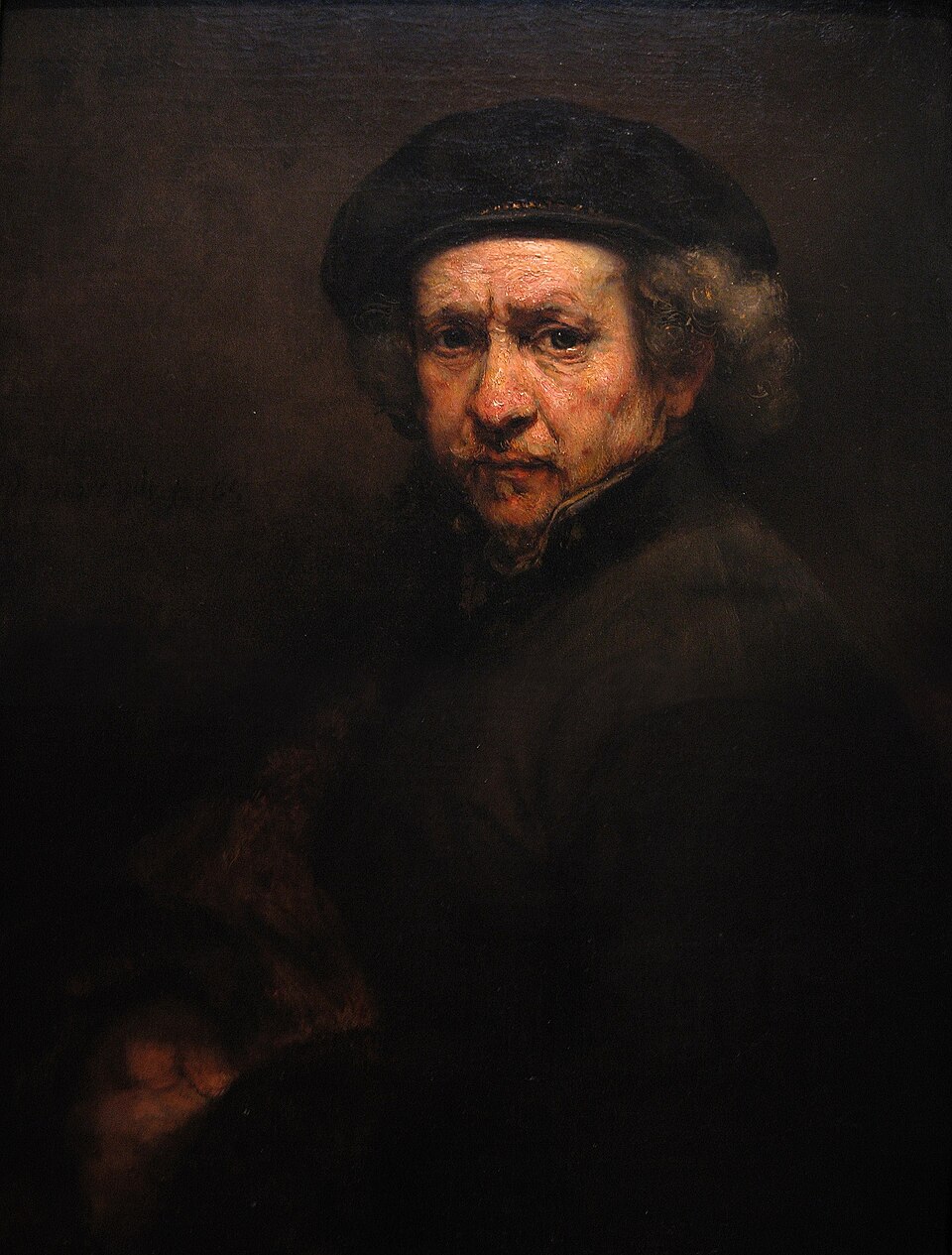
Temporal Coordinates: 1606–1669Rembrandt van Rijn was the Dutch Golden Age master of chiaroscuro. His high-contrast compositions and heavily textured brushstrokes set the structural standard for painters like Peter Paul Rubens, bringing deep human empathy to historical and biblical narratives. Rembrandt was a master of self-portraiture, documenting his own aging process with uncompromising honesty and psychological depth.
Walk between the guards in the Night Watch volumetric depth field. Using your phone's gyroscope, you can direct a virtual spotlight to cast realistic shadows across his heavily layered paint surfaces. The spatial audio engine plays the ambient sounds of the bustling Amsterdam street as you approach the canvas.
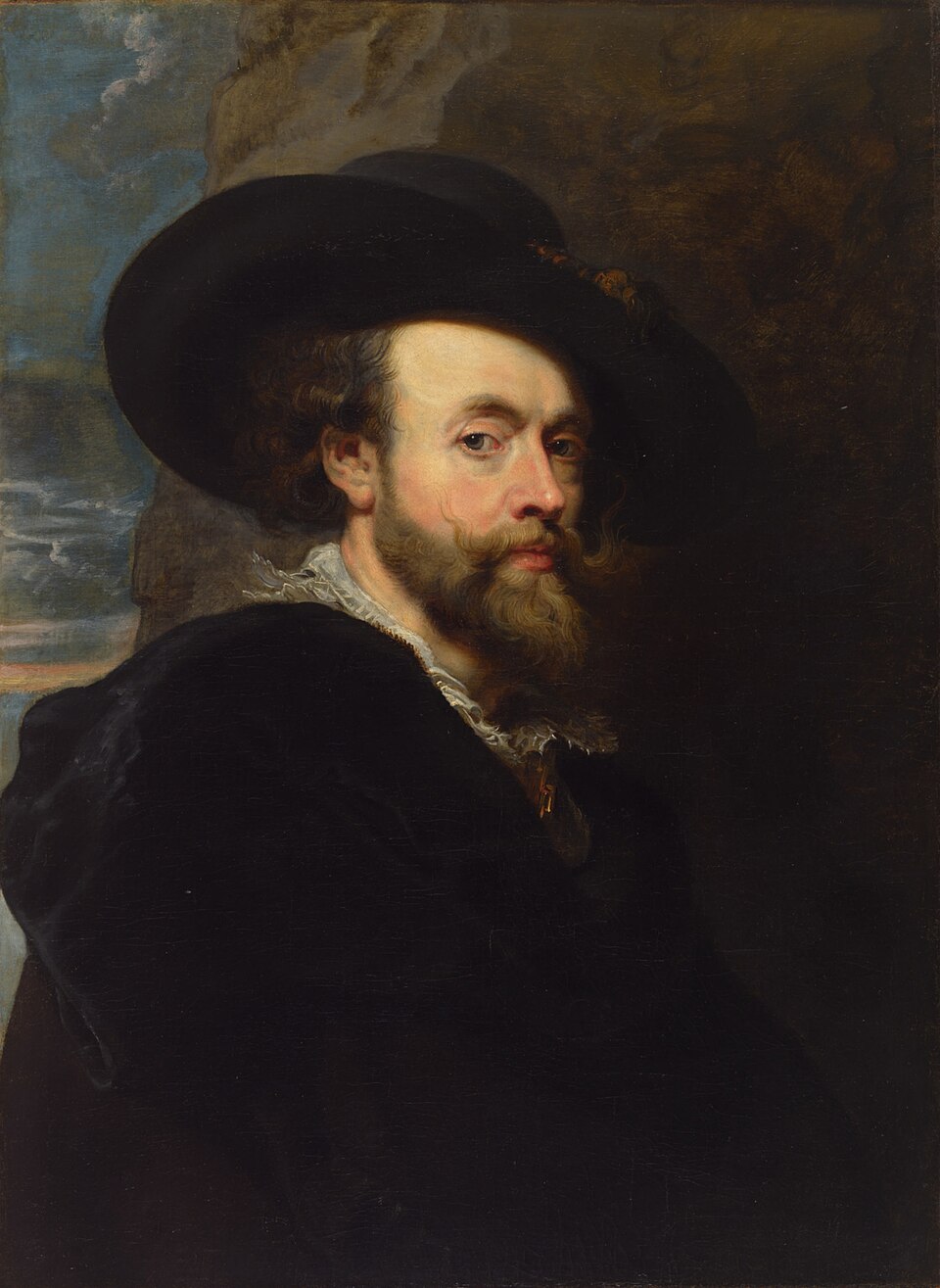
Peter Paul Rubens
Temporal Coordinates: 1577–1640Peter Paul Rubens was the Flemish Baroque champion of kinetic compositions. He synthesized classical history, mythology, and Catholic drama into sensuous, high-energy canvases, heavily inspiring Rembrandt van Rijn's early dramatic style. Rubens was renowned for his mastery of the human form, depicting bodies in complex, swirling motion that conveyed immense physical energy.
Experience the dramatic momentum of the Baroque in VR. The app maps his large-scale figures into volumetric clusters that swirl and rotate smoothly based on your hand gestures. Step inside his mythological landscapes and watch the dramatic clouds and figures orbit your viewing position in a swirling dance.
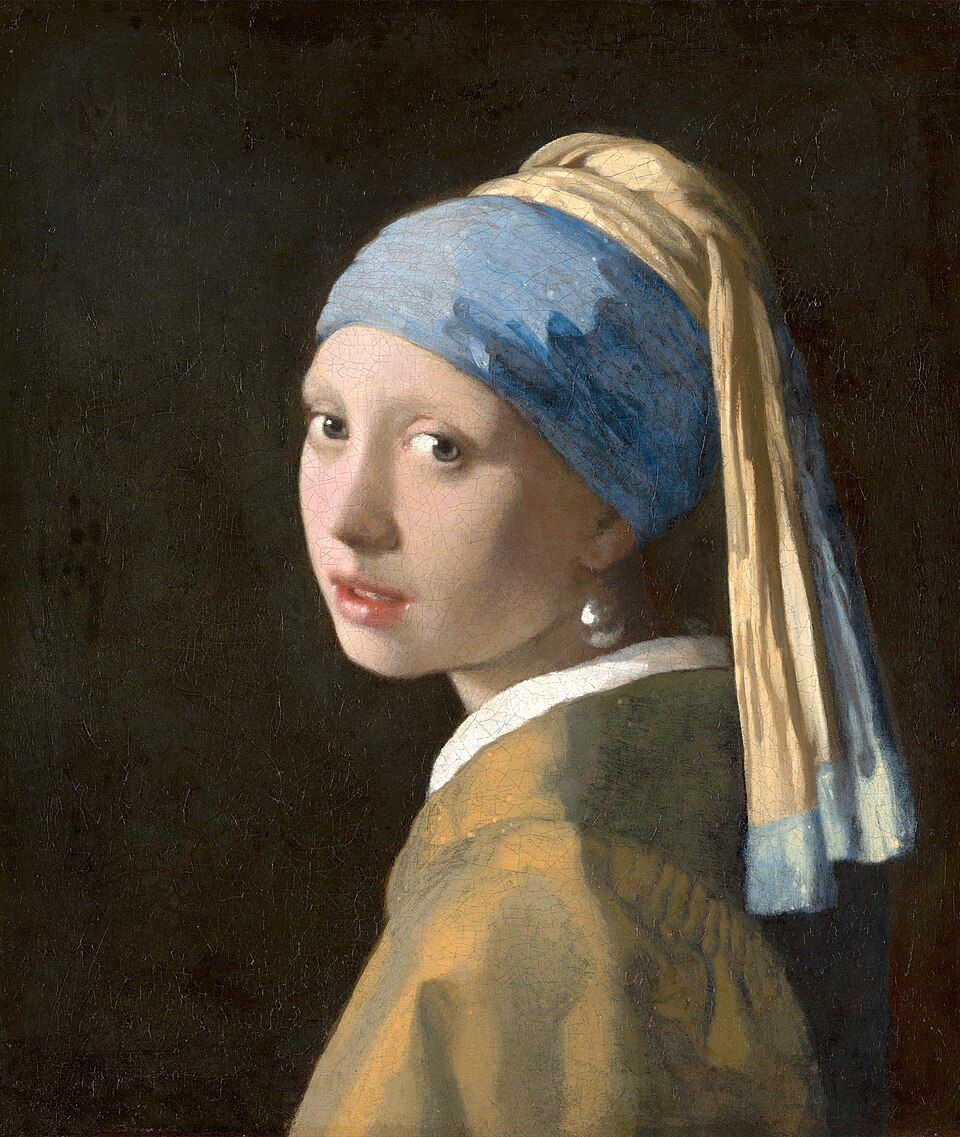
Johannes Vermeer
Temporal Coordinates: 1632–1675Johannes Vermeer captured the quiet, luminous data of Delft interior scenes. Using camera obscura techniques, he compiled silent domestic moments with near-photographic precision, capturing light details that match the optical precision of Rembrandt van Rijn's works. Vermeer was obsessed with the physics of light, painting the subtle gradient of daylight on whitespace walls with unmatched accuracy.
Gaze at the Girl with a Pearl Earring in full 3D space. Shift your phone to observe the subtle reflection on the pearl, rendered with custom shaders that simulate Vermeer's optical glass lens. You can zoom in to inspect the microscopic cracks in the paint, mapping the aging signature of this priceless masterpiece.